





Blog / Mobridge Chevrolet Dealer

2026 Chevrolet Blazer Engines: 2.0T vs V6 Power, Performance, and Fuel Economy

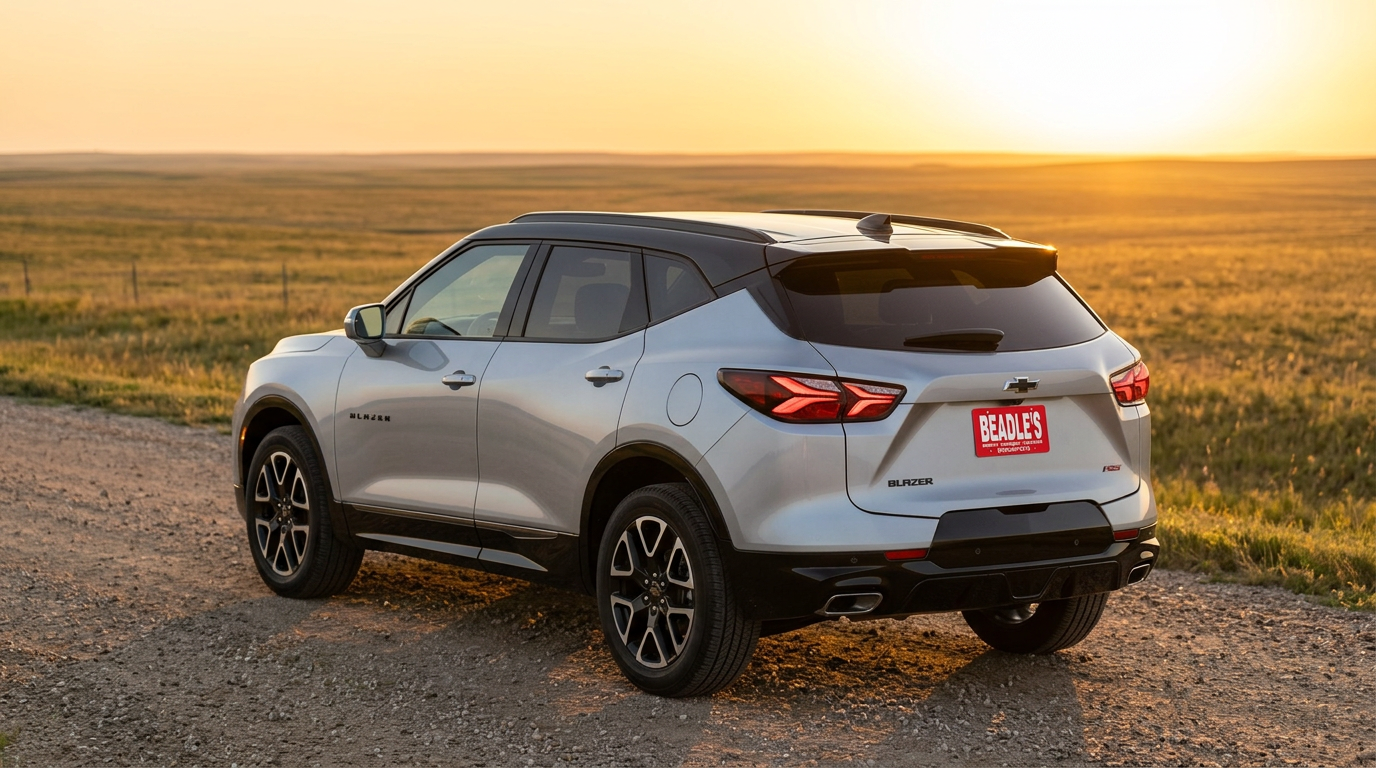
2026 Chevrolet Blazer exterior profile

When you're shopping for a 2026 Chevrolet Blazer, one of the most important decisions isn't about color or leather seats—it's what's under the hood. Chevy gives you two compelling engine choices: a turbocharged 2.0L delivering 228 horsepower, or a naturally aspirated 3.6L V6 with 308 hp. Both pair with a smooth 9-speed automatic transmission, but they offer different experiences depending on your driving style, budget, and what you'll use your Blazer for around Mobridge and beyond.

This guide breaks down the specs, fuel economy, performance characteristics, and real-world trade-offs so you can confidently pick the engine that fits your life. We'll help you understand not just the numbers, but how each engine feels on South Dakota's open highways, passing situations, and trips to the Black Hills.

What Engines Come in the 2026 Chevrolet Blazer?

The 2026 Blazer offers two distinct engine personalities. The first is a turbocharged 2.0-liter four-cylinder that produces 228 horsepower and 258 pound-feet of torque, built for efficiency and responsive performance. The second is a 3.6-liter V6 naturally aspirated engine cranking out 308 horsepower and 270 pound-feet of torque, engineered for maximum power and commanding presence on the road.

Both engines use direct injection, dual overhead cams, variable valve timing, and stop/start technology to balance performance with real-world efficiency. The V6 adds Active Fuel Management, which deactivates cylinders during cruising to save fuel when maximum power isn't needed. Both pair exclusively with Chevrolet's smooth 9-speed automatic transmission with Driver Shift Control, so you get the same transmission regardless of engine choice.
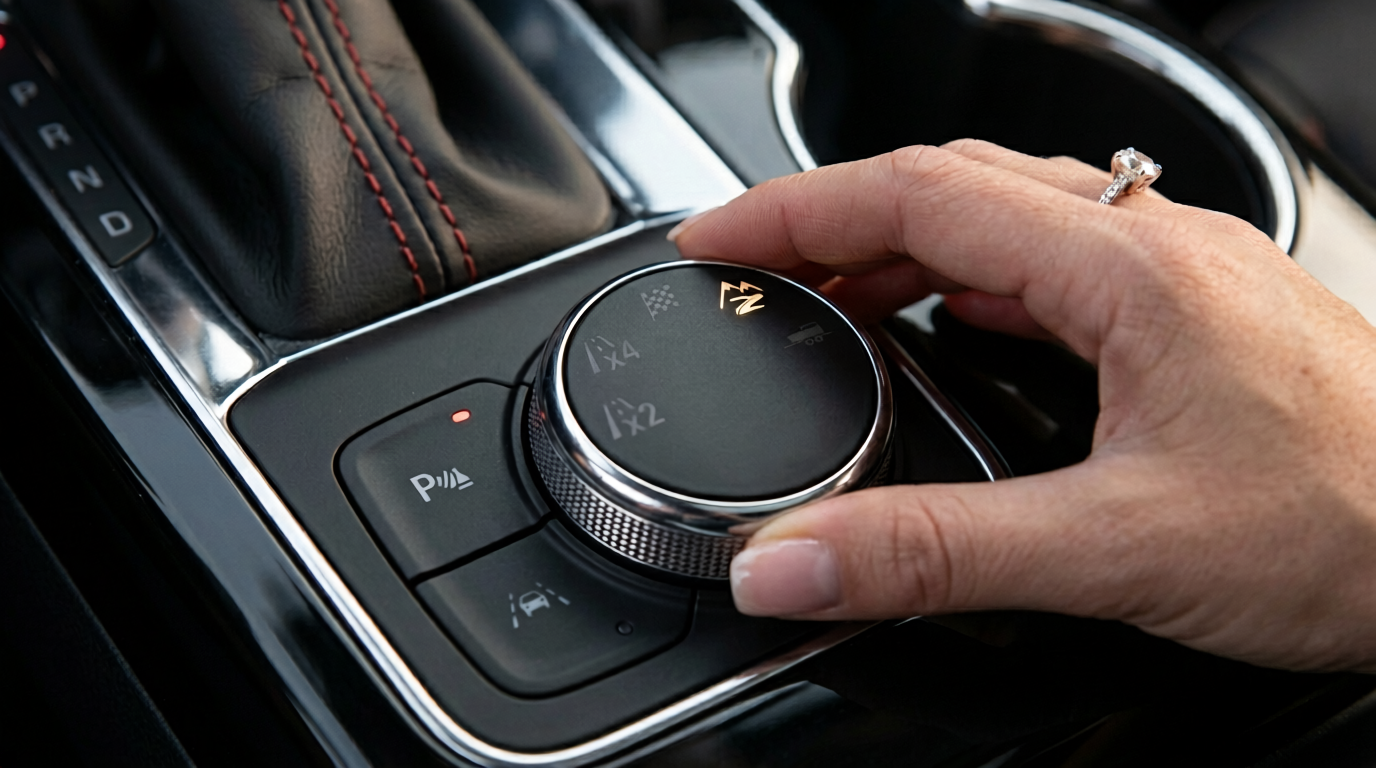
2026 Blazer engine compartment detail

Inside the 2.0L Turbo: Specs and Design

The turbocharged 2.0-liter is engineering efficiency meets modern performance. At 228 horsepower and 258 pound-feet of torque—delivered from a low 1,500 rpm across a wide band to 4,000 rpm—this engine is all about responsiveness without excessive fuel consumption. The turbocharger feels quick off the line and creates genuine passing authority on two-lane highways without straining the fuel pump.

What makes the 2.0T appealing is its torque delivery. That 258 lb-ft hits at just 1,500 rpm and stays available through 4,000 rpm, meaning you don't have to rev the engine hard to feel responsive. Combined with stop/start technology that shuts down the engine during city driving stops, and you get measurable fuel savings without complicated hybrid machinery. The 2.0T uses SIDI (Spark Ignited Direct Injection) and VVT (Variable Valve Timing) to optimize combustion, keeping emissions low and efficiency high.

This engine is available in the base 2LT trim exclusively, and as an option in the mid-level 3LT. It's the choice for buyers who prioritize efficiency, lower monthly payments, and the confidence of knowing a turbocharged engine can handle passing and moderate towing without strain.

Inside the 3.6L V6: Specs and Capability

The 3.6-liter V6 represents Chevrolet's answer for buyers who want confident, effortless power. With 308 horsepower peaking at 6,700 rpm and 270 pound-feet of torque available at 5,000 rpm, this engine trades low-end surge for broad power and a commanding presence. There's no turbo lag, no waiting for boost—just straightforward V6 power that feels substantial from a standstill.

The V6 also incorporates Active Fuel Management (AFM), a system that deactivates alternate cylinders during steady cruising when maximum power isn't needed. When you stomp the throttle, all six cylinders wake up instantly. AFM works so seamlessly you don't feel it—it just improves fuel economy on the highway without any sacrifice to feel or response. Like the 2.0T, the V6 uses direct injection and VVT to optimize burning fuel and minimize emissions, plus stop/start technology for city driving efficiency.

The V6 is available as the standard engine in the RS trim, and as an upgrade option in the 3LT. If you tow trailers, haul heavy loads, or frequently drive mountain roads, the V6 delivers the extra torque and horsepower to make those tasks feel less demanding. It's also the engine for buyers who simply prefer the character and responsiveness of a naturally aspirated six-cylinder.

Which Engine Comes in Which Trim?

Engine availability varies by trim level, so here's the breakdown:

2LT (Base): 2.0L Turbo only. The V6 is not available at this trim level, keeping the entry price accessible while offering solid performance and good fuel economy.

3LT (Mid-Level): 2.0L Turbo standard, 3.6L V6 available. This gives you choice—stick with the turbo's efficiency or upgrade to the V6 for more power and presence.

RS (Premium): 3.6L V6 only. At this trim, Chevrolet pairs premium features with the more powerful engine, positioning the RS as the ultimate Blazer experience.

This structure means your trim choice influences your engine option. If you're committed to the V6, you'll step up to either the 3LT with the V6 upgrade or the RS. If you want maximum efficiency and lower monthly payments, the 2LT with the 2.0T turbo is your lane.
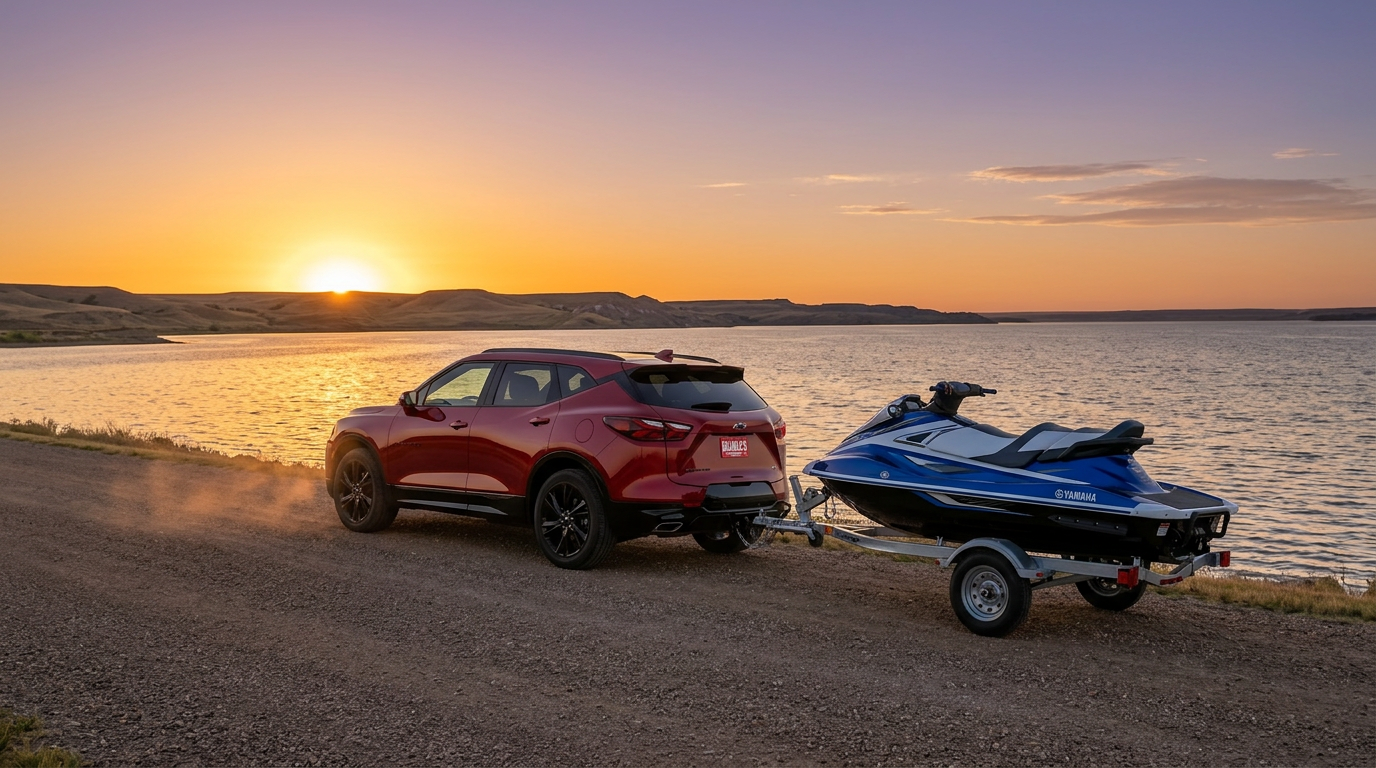
2026 Blazer on mountain road performance drive

Fuel Economy: Real MPG Expectations

Fuel economy is where the engineering differences between the two engines become tangible in your budget. Here are the EPA-estimated figures across configurations:

Engine & DrivetrainCityHighwayCombined
2.0T Front-Wheel Drive22 mpg29 mpg25 mpg
2.0T All-Wheel Drive22 mpg27 mpg24 mpg
V6 Front-Wheel Drive19 mpg26 mpg22 mpg
V6 All-Wheel Drive18 mpg26 mpg21 mpg

The difference is striking on the highway. The 2.0T FWD achieves 29 mpg highway, while the V6 FWD hits 26 mpg—a 3 mpg advantage for the turbo on Interstate runs. In combined driving, the 2.0T averages 24-25 mpg while the V6 lands at 21-22 mpg. Over a year of driving Highway 12 to Pierre or I-90 to the Black Hills, those highway miles accumulate quickly, and the fuel savings with the 2.0T become meaningful.

All-wheel drive models (whether 2.0T or V6) see modest fuel economy reductions due to the additional weight and drivetrain friction. If fuel economy is your priority and you live in an area where winter demands AWD, the 2.0T AWD at 24 mpg combined is still competitive. If you choose the V6 for its power, accept that you're trading 3-4 mpg for 80 additional horsepower and extra passing authority.

How Does Each Engine Feel on the Highway?

Real-world highway experience is where two-lane South Dakota roads teach you about engine character. Both engines are competent, but they deliver confidence in different ways.

The 2.0T Turbo on the Highway: The turbocharged four-cylinder excels at mid-range passing. Because that 258 lb-ft of torque sits between 1,500 and 4,000 rpm, you don't need to downshift and rev the engine hard to pass a slow farm truck on Highway 12. Squeeze the throttle, and the turbo boost delivers immediate response. You'll downshift the 9-speed automatic once, feel the surge, and complete the pass smoothly. The 2.0T makes you feel like you're working with the engine, not against it. It's brisk and satisfying without excess drama. On elevation changes heading toward the Hills, the turbo provides consistent power—you won't feel that the engine is laboring.

The V6 on the Highway: The naturally aspirated V6 is pure effortless authority. You don't think about passing; you just do it. That 308 horsepower and 270 lb-ft of torque means the engine always has power in reserve. Passing another vehicle feels almost lazy—there's so much excess capacity that you're rarely pushing hard. On elevation changes, the V6 maintains composure without requiring gear-hunting from the transmission. If you frequently drive with trailers, four people, and gear, or regularly navigate hilly terrain, this is the engine that makes everything feel lighter and easier. The character is more relaxed, less urgent.

Neither engine will fail you on South Dakota highways. The choice is between engaging responsiveness (turbo) and relaxed capability (V6).

Which Engine Should You Choose?

Both engines are proven, reliable, and capable. Your choice depends on priorities:

Choose the 2.0L Turbo if: You prioritize fuel economy and lower monthly payments. You drive mostly on highways and want responsive, turbocharged performance. You don't regularly tow heavy trailers or haul maximum loads. You're comfortable with a four-cylinder engine. You want the security of Chevrolet's proven turbo technology. You're shopping the 2LT and want excellent value.

Choose the 3.6L V6 if: You prioritize power, presence, and effortless performance. You frequently tow trailers or haul heavy loads (the V6 AWD achieves 4,500 lb towing capacity). You want the character and smoothness of a naturally aspirated six-cylinder. You're willing to accept 3-4 mpg lower fuel economy for 80 more horsepower. You're stepping up to a 3LT or the premium RS trim. You drive varied terrain and want the engine to feel like it's barely working.

A practical rule: if you tow or haul regularly, the V6 makes sense. If you commute and take occasional weekend trips, the 2.0T is smart money. Both engines include six drive modes (Tour, Sport, AWD, Snow/Ice, Tow/Haul, Off-Road) to adapt to South Dakota conditions.

For detailed information on how each engine handles towing, check out our 2026 Chevrolet Blazer Towing Guide, which compares towing capacities and performance. And if you're deciding between all-wheel drive and front-wheel drive engines, our AWD and Winter Driving Guide digs into how drivetrain choice affects engine performance on icy and snowy roads.

Key Takeaways

  • The 2.0L Turbo delivers 228 hp, 258 lb-ft torque, and achieves up to 29 mpg highway. It's standard in 2LT and available in 3LT.
  • The 3.6L V6 produces 308 hp, 270 lb-ft torque, and is available in 3LT or standard in RS. Towing capacity reaches 4,500 lb with V6 AWD.
  • Fuel economy favors the turbo by 3-4 mpg combined. Highway passing is responsive (turbo) vs. effortless (V6).
  • Both engines use 9-speed automatic transmission, direct injection, variable valve timing, and stop/start technology.
  • Choose 2.0T for efficiency and value; choose V6 for power, towing, and relaxed authority on all roads.

Frequently Asked Questions

Is the 2.0T turbo reliable? Does turbocharged mean more maintenance?

Yes, Chevrolet's 2.0L turbo (LSY engine) is proven reliable across millions of miles. Turbo engines don't require special care—use the manufacturer-recommended synthetic oil, respect oil change intervals, and you'll get the same lifespan as any Chevrolet engine. Modern turbos are robust engineering. The turbo doesn't add complexity that translates to fragility; it's a precision component built to last the vehicle's lifetime.

Can the 2.0T tow? What's the real-world capacity?

Yes, the 2.0T can tow. With AWD, the 2.0T achieves a maximum towing capacity of 3,250 pounds with the proper equipment and configuration. That's adequate for small utility trailers, jet skis, ATVs, or small boat trailers. For heavier loads—livestock trailers, large boat trailers, or regular towing—the V6 AWD's 4,500 lb capacity is the safer choice. Our Towing Guide has detailed capacity and equipment specs for both engines.

Does the V6 have more problems than the 2.0T? Which is more reliable?

Both engines are proven, Chevrolet-certified drivetrains. The 3.6L V6 (LGX) has decades of real-world history across trucks, SUVs, and cars. Neither engine is inherently more reliable than the other—they're engineered to different philosophies. The turbo is high-efficiency; the V6 is high-torque. Both will outlast the transmission if maintained properly. Choose based on what you need, not perceived reliability—they're equally dependable.

What's the difference between the V6's Active Fuel Management and the turbo's efficiency?

Active Fuel Management (AFM) on the V6 deactivates four cylinders during steady cruising, running on just two. You don't feel it—it's seamless—but it improves highway fuel economy without sacrifice. The turbo's efficiency comes from downsizing the engine (fewer displacement) while maintaining power via boost. Both strategies lower fuel consumption differently: AFM saves fuel when you don't need all cylinders; turbo efficiency is built-in from the start. The 2.0T's higher EPA ratings show turbocharging is the more efficient overall approach for highway driving.

I've spent enough time behind the wheel of both engines to know this: there's no wrong choice, only the choice that's right for you. Our customers who commute I-90 toward Sioux Falls or drive Highway 12 regularly and value stopping at the pump less often gravitate toward the 2.0T—and they're delighted with the responsiveness and fuel savings. Customers with boats, trailers, or families who love weekend trips into the Black Hills with a full vehicle choose the V6, and they never regret the extra power and presence.

Here's my practical advice: test drive both. Spend 20 minutes with a 2.0T on Highway 12, then 20 minutes with a V6. Feel how each engine responds when you pass a slow vehicle. Feel how it handles the slight elevation grade north of town. Then ask yourself: "Which one made me smile?" That feeling matters more than a spec sheet.

For a full look at the 2026 lineup — trims, pricing, and features beyond the engine bay — explore the complete 2026 Chevrolet Blazer overview. When you're ready to test drive, we'll have both engines on the lot — or if we don't, we'll locate one in our inventory system. My job is making sure you drive away in the exact Blazer and engine that fits your life.

— Lexy Tabbert

Director of Sales & Marketing, Beadle Chevrolet

About the Author

Lexy Tabbert — Beadle Chevrolet, Mobridge, SD

Lexy Tabbert is the Director of Sales and Marketing at Beadle Chevrolet in Mobridge, South Dakota. She covers Chevrolet vehicles, trim comparisons, and buyer guidance — helping families, ranchers, and ag operators across the region find the right truck and configuration for their needs. Learn more about Lexy.
Posted in:

Related Posts

2026 Chevrolet Trailblazer AWD holding steady on a snow-packed gravel road in rural South Dakota

Trailblazer vs Subaru Crosstrek: Is Standard AWD Worth the Premium in South Dakota?

The Subaru Crosstrek is the comparison serious winter shoppers bring up, and it deserves a serious answer. Subaru has built its reputation on standard all-wheel drive, and in a climate like ours that reputation carries real weight. So is the Crosstrek's standard AWD worth its premium over the Trailblazer — or is Chevy's approach the smarter money? Here's the fair version of the matchup, with current numbers from both manufacturers: prices, powertrains, clearance, towing, and the ownership details that matter when the nearest dealership isn't around the corner. Quick Answer The 2026 Crosstrek starts at $26,995 plus $1,420 destination with standard AWD; the 2026 Trailblazer starts at $23,300 with AWD available on every trim. The Crosstrek counters with more power and clearance; the Trailblazer answers with a lower price, a 9-speed automatic instead of a CVT on AWD builds, and hometown service. Search Available Trailblazer Inventory Get Pre-Qualified On This Page What Do the Trailblazer and Crosstrek Cost? Is Standard AWD Better Than Available AWD? How Do Power and Transmissions Compare? What About Ground Clearance, Gravel, and Towing? Which Should a South Dakota Winter Commuter Buy? What Do the Trailblazer and Crosstrek Cost? The 2026 Trailblazer starts at $23,300 MSRP; the 2026 Crosstrek starts at $26,995 MSRP plus a $1,420 destination charge — $28,415 as delivered, per Subaru's official pricing announcement. That's a gap of several thousand dollars before options. Measure 2026 Trailblazer 2026 Crosstrek Starting MSRP $23,300 $26,995 (+$1,420 destination) Drivetrain FWD standard; AWD available every trim AWD standard Engine 137-hp 1.2L or 155-hp/174 lb-ft 1.3L Turbo 180-hp/178 lb-ft 2.5L (gas trims) Transmission CVT (FWD) / 9-speed automatic (AWD) CVT (all gas trims) Ground clearance 7.5 in 8.7 in (9.3 in Wilderness) Max towing 1,000 lbs (1.3L + Trailering Pkg) 1,500 lbs (3,500 lbs Wilderness) Source Trailblazer figures from chevrolet.com and the 2026 order guide; Crosstrek figures from Subaru's 2026 pricing announcement (media.subaru.com). Both retrieved July 17, 2026. MSRPs exclude tax, title, license, and dealer fees; Subaru destination shown per its announcement. Confirm current pricing before comparing — both change. The like-for-like comparison is an AWD Trailblazer LT against the base Crosstrek — and even with the AWD option added, the Trailblazer typically enters the conversation below the Crosstrek's as-delivered number while carrying more standard screen and heated-equipment access. Price out both configured the way you'd order them; the monthly-payment view is in our price and payment guide. Is Standard AWD Better Than Available AWD? Standard AWD is simpler — every Crosstrek has it, full stop, and Subaru's symmetrical system has earned its winter reputation honestly. But "available" has its own advantage: the Trailblazer lets you not buy AWD when you don't need it, and that choice is worth thousands to an in-town driver. Think of it as two philosophies. Subaru builds one answer and builds it well. Chevy builds a menu: a $23,300 front-driver for the plowed-streets buyer, and an AWD build — which automatically brings the stronger 1.3L Turbo and the 9-speed automatic — for the US-12 commuter. Neither philosophy is wrong; one of them matches your driveway better than the other. What actually gets a winter commuter to work, in either vehicle, is the combination of driven wheels and tires with real tread — the full breakdown of what AWD does and doesn't do on ice is in our South Dakota winters guide. How Do Power and Transmissions Compare? On paper the Crosstrek's 2.5L boxer wins the power column: 180 horsepower and 178 lb-ft against the Trailblazer 1.3L Turbo's 155 and 174. The transmission column flips the other way — every gas Crosstrek uses a CVT, while every AWD Trailblazer carries a conventional 9-speed automatic. The character difference is bigger than the numbers. The Trailblazer's turbo delivers its 174 lb-ft at just 1,600 rpm, so passing pull arrives early without revving; the naturally aspirated Subaru builds its power higher in the range, and the CVT holds engine speed up while it does. Drivers who dislike the CVT drone that comes with hard acceleration — a common objection we hear — will prefer how the 9-speed steps through gears on a two-lane pass. If engine details drive your decision, our Trailblazer engines guide covers both Chevy powerplants, their EPA numbers, and which builds get which hardware. What About Ground Clearance, Gravel, and Towing? Credit where due: the Crosstrek carries more clearance — 8.7 inches standard and 9.3 on the Wilderness, against the Trailblazer's 7.5 — and it out-tows the Trailblazer, 1,500 pounds versus 1,000 (3,500 for the Wilderness trim). For graded gravel section roads, both vehicles have what the job requires; clearance differences matter at the extremes — deep ruts, spring washouts — more than on maintained county gravel. The Trailblazer's gravel-focused answer is the ACTIV trim, which adds off-road suspension tuning and a functional skid plate as standard hardware at the same $27,900 as the RS. Underbody protection is something a clearance number alone doesn't give you; kicked-up rock doesn't check specs. On towing: if a 3,500-pound rating is genuinely on your list, the honest advice from a dealership that sells trucks is that you're shopping the wrong segment in both cases — that's utility-trailer-plus territory where a compact crossover, any compact crossover, is working at its ceiling. For the kayaks-and-small-trailer life, both vehicles are adequately rated. Which Should a South Dakota Winter Commuter Buy? Both will get you to work in January. The Trailblazer wins on price, transmission feel, and — for buyers around Mobridge — on where it gets serviced. The Crosstrek wins on standard AWD, clearance, and towing headroom. Your priorities pick the winner, not the badges. The Trailblazer is worth it if you want the lower payment, prefer a geared automatic over a CVT in your AWD vehicle, or value buying and servicing where you live — our service department is on US Hwy 12 in Mobridge, not a hundred highway miles away. Skip it for the Crosstrek if maximum clearance and the biggest tow rating in the class are your top criteria and the price premium fits your budget — it's a well-built vehicle and we'd rather tell you that than pretend otherwise. The Cross-Brand Comparison Mistake Comparing MSRPs from two brands without checking what's inside them. Subaru's advertised prices exclude a $1,420 destination charge; equipment groupings differ; and incentives on each side move monthly. Build both vehicles to your actual spec, get both out-the-door numbers in writing, and compare those — never the headline prices. Key Takeaways Entry pricing: Trailblazer $23,300 vs Crosstrek $26,995 + $1,420 destination ($28,415 as delivered) — both retrieved July 17, 2026. AWD philosophy differs: standard on every Crosstrek; available on every Trailblazer trim, where it brings the 1.3L Turbo and a 9-speed automatic with it. Power: Crosstrek 180 hp / 178 lb-ft; Trailblazer 1.3L 155 hp / 174 lb-ft at just 1,600 rpm. Transmission: Crosstrek CVT-only; Trailblazer AWD gets a geared 9-speed. Capability columns go to Subaru: 8.7–9.3 in clearance vs 7.5, and 1,500–3,500 lbs towing vs 1,000. The Trailblazer ACTIV answers with standard skid-plate and suspension hardware. Ownership tiebreaker for this region: the Trailblazer is sold and serviced in Mobridge — worth real money in time over a multi-year ownership. Compare built-to-spec out-the-door numbers, never headline MSRPs across brands. Frequently Asked Questions Does the Subaru Crosstrek have standard AWD? Yes — Symmetrical All-Wheel Drive is standard on every 2026 Crosstrek. On the 2026 Trailblazer, AWD is available on all four trims rather than standard, which lets FWD buyers keep the savings. Which costs less, the Trailblazer or the Crosstrek? The Trailblazer — it starts at $23,300 MSRP versus the Crosstrek's $26,995 plus a $1,420 destination charge (July 17, 2026 figures). Even with AWD added, the Trailblazer typically undercuts the Crosstrek's as-delivered price. Does the Trailblazer or Crosstrek have more power? The Crosstrek's 2.5L makes 180 hp and 178 lb-ft versus the Trailblazer 1.3L Turbo's 155 hp and 174 lb-ft. The Trailblazer's torque arrives earlier (1,600 rpm), and its AWD models use a 9-speed automatic while every gas Crosstrek uses a CVT. Which tows more, the Trailblazer or the Crosstrek? The Crosstrek — 1,500 pounds on standard trims and 3,500 on the Wilderness, versus the Trailblazer's 1,000 pounds with the 1.3L Turbo and available Trailering Package. Buyers who genuinely need 3,500 pounds regularly are usually better served by a larger vehicle. Which has more ground clearance? The Crosstrek, at 8.7 inches standard and 9.3 on the Wilderness, versus the Trailblazer's 7.5 inches. For maintained gravel roads both are sufficient; the Trailblazer ACTIV adds a standard skid plate and off-road suspension tuning for unpaved-road duty. Quick Answers Price gap? Trailblazer from $23,300; Crosstrek from $26,995 + $1,420 destination = $28,415 as delivered (July 17, 2026). AWD? Standard on every Crosstrek; available on every Trailblazer trim. Transmissions? Crosstrek: CVT on all gas trims. Trailblazer AWD: 9-speed automatic. Power? Crosstrek 180 hp / 178 lb-ft; Trailblazer 1.3L 155 hp / 174 lb-ft at 1,600 rpm. Clearance? 8.7–9.3 in (Crosstrek) vs 7.5 in (Trailblazer). Towing? 1,500–3,500 lbs (Crosstrek) vs 1,000 lbs (Trailblazer, 1.3L + Trailering Package). The Trailblazer's edge? Lower cost of entry, geared automatic with AWD, 11-inch screen standard, and sales plus service in Mobridge. How to decide? Build both to your spec and compare out-the-door numbers — then drive both back-to-back. Keep Researching 2026 Chevrolet Trailblazer: The Complete Guide — trims, engines, colors, and packages in one place Is the Trailblazer Right for South Dakota Winters? — what AWD actually does on ice and snow Trax vs Trailblazer — the in-house comparison one price step down Trailblazer Engines Explained — the 1.3L Turbo and 9-speed story in full My Take on Trailblazer vs Crosstrek I respect the Crosstrek, and I tell shoppers at Beadle Chevrolet exactly that — pretending a competitor is junk is the fastest way to lose someone's trust. What I ask instead is what the extra money is buying for their specific life. If the answer is "standard AWD," the Trailblazer already offers AWD on every trim for less. If the answer is clearance and towing they'll genuinely use, the Crosstrek earned its premium and I'll shake their hand either way. The factor people underweight until they live it: where the vehicle gets serviced. An oil change, a warranty visit, a recall — over years of ownership, having your dealer on US Hwy 12 in Mobridge instead of a hundred-mile round trip away is worth real time and real money. That's not a spec, but out here it might be the most practical line on the whole comparison sheet. If you're weighing the Chevy side, everything — trims, engines, winter equipment, colors, pricing — is gathered in our complete 2026 Chevrolet Trailblazer guide. Then come drive an AWD Trailblazer back-to-back with the Crosstrek you're considering. The transmission difference alone usually makes the decision clearer than any table can. Search Available Trailblazer Inventory Get Pre-Qualified Contact Beadle Chevrolet About the Author Lexy Tabbert — Beadle Chevrolet, Mobridge, SD Lexy Tabbert is the Director of Sales and Marketing at Beadle Chevrolet in Mobridge, South Dakota. She covers Chevrolet and GMC vehicles, trim comparisons, and buyer guidance — helping families, ranchers, and ag operators across the region find the right truck and configuration for their needs. Learn more about Lexy.
2026 Chevrolet Trailblazer RS in Apex Red parked on Main Street in Mobridge SD

2026 Trailblazer Colors, Two-Tone Roofs & the Midnight Edition

Here's the thing nobody tells you about Trailblazer colors until you're deep in the build tool: the palette is trim-restricted. The color you fell for might not be available on the trim you're buying — Apex Red never meets the ACTIV, Summit White never wraps an RS body, and the two-tone roofs belong to exactly two trims. This guide lays out the full 2026 palette, which trims get which colors, how the two-tone roof program works, and what the blacked-out Midnight Edition actually includes — so you can walk in knowing your combination exists before you set your heart on it. Quick Answer The 2026 Trailblazer offers eight colors, including two new ones — White Sands (RS and ACTIV only) and Apex Red (LS, LT, RS only). Two-tone roofs are exclusive to RS and ACTIV, and the blacked-out Midnight Edition is an LT-only appearance package. Every color is trim-restricted, so check availability before you commit. Search Available Trailblazer Inventory Get Pre-Qualified On This Page What Colors Does the 2026 Trailblazer Come In? What's New for 2026: White Sands and Apex Red Which Trims Get the Two-Tone Roof? What Is the Trailblazer Midnight Edition? Which Color Should You Pick in South Dakota? What Colors Does the 2026 Trailblazer Come In? Eight exterior colors, each with its own trim list. Three are available on every trim; the rest are restricted — and two carry an extra cost. Color Available On Notes White Sands RS, ACTIV NEW for 2026 Apex Red LS, LT, RS NEW for 2026 Summit White LS, LT — Mosaic Black Metallic All trims — Marina Blue Metallic All trims Extra cost Iridescent Pearl Tricoat RS, ACTIV Extra cost Cacti Green LS, LT, ACTIV — Sterling Gray Metallic All trims — Read the restrictions before you shop: there's no Summit White RS, no Apex Red ACTIV, and no Cacti Green RS. If a specific color-trim pairing is the whole reason you're buying, confirm it exists in the table above first — then confirm it on the window sticker of the actual unit, because color availability can shift during a model year. What's New for 2026: White Sands and Apex Red Two additions headline the 2026 palette. White Sands is a warm, desert-toned neutral reserved for the RS and ACTIV, and Apex Red is a brighter, sportier red offered on LS, LT, and RS. Apex Red matters beyond the paint booth because it also joined the two-tone roof program — an Apex Red roof over a contrasting body is one of the loudest combinations Chevy has offered on this vehicle, and it turns heads parked on Main Street. White Sands runs the other direction: it reads upscale and hides gravel dust better than any dark color in the lineup, which makes it a quietly practical pick for the ACTIV's back-road mission. Which Trims Get the Two-Tone Roof? Only the RS and ACTIV — and each gets its own roof menu. The RS offers a Mosaic Black or Apex Red contrasting roof; the ACTIV offers Summit White or Iridescent Pearl Tricoat. LS and LT are single-color only. Trim Roof Options Character RS Mosaic Black or Apex Red roof Street-sport look — black roof over Apex Red is the signature combo ACTIV Summit White or Iridescent Pearl Tricoat roof Outdoor-rig look — Cacti Green under a white roof is the lot favorite LS / LT Body color only Midnight Edition (LT) delivers the monochrome look instead Two fine-print notes: the contrasting roof can be skipped — RS and ACTIV can be ordered without it if you prefer a single color — and roof choice interacts with the panoramic sunroof option, so tell us both preferences up front when ordering. Trim-by-trim equipment logic is mapped in our LS vs LT comparison and the ACTIV deep dive. What Is the Trailblazer Midnight Edition? The Midnight Edition is an LT-exclusive appearance package, added to the lineup in October 2025: 18-inch gloss black wheels with black bowtie center caps, black mirror caps, black roof rails, and blacked-out badging. Ordered over Mosaic Black Metallic paint, it delivers the full murdered-out look; over Sterling Gray or Marina Blue it reads as a sharp contrast package instead. Worth knowing before you fall for it: it's appearance only — no mechanical changes — and it's the only route to a blacked-out Trailblazer, since the RS's dark styling always keeps its red accents. It's also the LT's answer to buyers who wanted the two-tone drama the LS and LT don't offer. Which Color Should You Pick in South Dakota? Pick with your roads in mind, not just the showroom lights. Light and mid-tone colors — Summit White, White Sands, Sterling Gray — hide the gravel dust and hard-water spots that are simply part of life here. Dark colors look spectacular for the first hour after a wash and honest the rest of the week. Worth the extra cost if you love it every time you walk up to it — Marina Blue Metallic and Iridescent Pearl Tricoat are the two paints people choose with their hearts, and both photograph beautifully against prairie sky. Skip the premium paint if the budget is tight; the no-cost palette covers every practical base, and the money does more work in the Cold Weather Package. One more practical note for our winters: a darker vehicle stands out against snow, while white-on-white asks a little more of other drivers in a ground blizzard — one small reason running your headlights year-round is good practice regardless of color. The Color Mistake to Avoid Choosing trim by color instead of color by trim. We've watched buyers pick an RS because they wanted Apex Red, then miss the ACTIV's gravel hardware they actually needed. Decide the trim that fits your life first — then choose from that trim's palette. And confirm the exact color and roof on the window sticker before signing; two-tone builds are specific-order vehicles. Key Takeaways Eight 2026 colors, all trim-restricted — only Mosaic Black, Marina Blue, and Sterling Gray span every trim. New for 2026: White Sands (RS/ACTIV only) and Apex Red (LS/LT/RS only). There is no Apex Red ACTIV and no Summit White RS. Marina Blue Metallic and Iridescent Pearl Tricoat are the two extra-cost paints. Two-tone roofs are RS/ACTIV exclusives: black or Apex Red roofs on RS, Summit White or Iridescent Pearl roofs on ACTIV — and either trim can be ordered without one. The Midnight Edition (added October 2025) is LT-only: 18-inch gloss black wheels, black badging, mirrors, and rails — appearance only, no mechanical changes. Pick trim first, color second — and confirm the exact color/roof combination on the window sticker. Frequently Asked Questions What colors does the 2026 Chevy Trailblazer come in? Eight colors: new White Sands and Apex Red, plus Summit White, Mosaic Black Metallic, Marina Blue Metallic, Iridescent Pearl Tricoat, Cacti Green, and Sterling Gray Metallic. Every color is restricted to specific trims, so check availability for the trim you want. Which 2026 Trailblazer trims can get a two-tone roof? Only the RS and ACTIV. The RS offers a Mosaic Black or Apex Red contrasting roof, and the ACTIV offers Summit White or Iridescent Pearl Tricoat. Both trims can also be ordered without the two-tone roof. The LS and LT are single-color only. What is the Trailblazer Midnight Edition? An LT-exclusive appearance package added in October 2025: 18-inch gloss black wheels with black bowtie caps, black mirror caps, black roof rails, and blacked-out badging. It changes nothing mechanical — it's the styling route to a fully blacked-out Trailblazer. Do any 2026 Trailblazer colors cost extra? Yes, two: Marina Blue Metallic (available on all trims) and Iridescent Pearl Tricoat (RS and ACTIV only) are extra-cost paints. The other six colors carry no charge. Can you get Apex Red on the Trailblazer ACTIV? No — Apex Red is offered on the LS, LT, and RS only. The ACTIV's palette is White Sands, Mosaic Black Metallic, Marina Blue Metallic, Iridescent Pearl Tricoat, Cacti Green, and Sterling Gray Metallic. Quick Answers How many 2026 colors? Eight, all trim-restricted. New this year? White Sands (RS/ACTIV) and Apex Red (LS/LT/RS). Colors on every trim? Mosaic Black Metallic, Marina Blue Metallic, and Sterling Gray Metallic. Extra-cost paints? Marina Blue Metallic and Iridescent Pearl Tricoat. Two-tone roofs? RS (black or Apex Red roof) and ACTIV (white or pearl roof) only — deletable on both. Midnight Edition? LT-only black-out appearance package, added October 2025. Best dust-hider for gravel roads? White Sands, Summit White, or Sterling Gray. The lot favorite? Cacti Green ACTIV with the Summit White roof. Can I see what's here now? Current colors in stock are on our Trailblazer inventory page. Keep Researching 2026 Chevrolet Trailblazer: The Complete Guide — trims, engines, packages, and the full color program 2026 Trailblazer LS vs LT — where the Midnight Edition fits in the trim decision The Trailblazer ACTIV on Gravel — the trim behind the Cacti Green two-tone Trailblazer Tech & Safety for Families — what's identical under every color My Take on the 2026 Trailblazer Palette Color is supposedly the least rational part of buying a vehicle, but I've stopped believing that after years at Beadle Chevrolet. The color is the part you see every single morning — from the kitchen window, across the co-op parking lot, in the school pickup line. People who settle on color quietly resent it by spring. So no, I won't talk you out of the Marina Blue. What I will do is make you pick the trim first, because the palette follows the trim and not the other way around. And I'll offer the local wisdom: on gravel, White Sands and Sterling Gray stay presentable for weeks, black shows every mile, and the Cacti Green ACTIV with the white roof is the one that gets photographed by strangers at the Lake Oahe boat ramp. To see how colors line up with trims, engines, and packages in one view, start with our complete 2026 Chevrolet Trailblazer guide — then come see the paint in person at the store in Mobridge. Every one of these colors reads differently under a real prairie sky than it does on a screen. Search Available Trailblazer Inventory Get Pre-Qualified Contact Beadle Chevrolet About the Author Lexy Tabbert — Beadle Chevrolet, Mobridge, SD Lexy Tabbert is the Director of Sales and Marketing at Beadle Chevrolet in Mobridge, South Dakota. She covers Chevrolet and GMC vehicles, trim comparisons, and buyer guidance — helping families, ranchers, and ag operators across the region find the right truck and configuration for their needs. Learn more about Lexy.

11-inch touchscreen with wireless Apple CarPlay in the 2026 Chevrolet Trailblazer

Trailblazer Tech & Safety for Families: Teen Driver, Wireless CarPlay & Chevy Safety Assist

Two kinds of shoppers ask us about Trailblazer technology: the first-time buyer who wants to know if the affordable trim still gets the good screen, and the parent quietly asking what this vehicle will do when their new driver is behind the wheel alone. Good news for both — the answers don't depend on how much you spend. Here's the full picture of what every 2026 Trailblazer includes — wireless phone connectivity, the Chevy Safety Assist suite, and Teen Driver — plus which driver-assist upgrades are worth chasing on the order sheet. Quick Answer Every 2026 Trailblazer — including the base LS — has an 11-inch touchscreen with wireless Apple CarPlay and Android Auto, the full Chevy Safety Assist suite, Teen Driver controls, Buckle to Drive, and an HD Rear Vision Camera as standard equipment. Blind zone alert and adaptive cruise control are available adds. Search Available Trailblazer Inventory Get Pre-Qualified On This Page Does the Trailblazer Have Wireless Apple CarPlay and Android Auto? What Safety Features Come Standard on the 2026 Trailblazer? What Is Teen Driver Mode and How Does It Work? Which Driver-Assist Features Are Optional — and Which Trims Get Them? Is the Trailblazer a Good First Car for a Teenager? Does the Trailblazer Have Wireless Apple CarPlay and Android Auto? Yes — wireless Apple CarPlay and Android Auto are standard on every 2026 Trailblazer trim, running on an 11-inch diagonal HD color touchscreen. No cable, no trim-level games: the LS gets the identical screen and connectivity as the ACTIV. The word wireless matters more than it sounds. Your phone connects the moment you sit down — maps, music, podcasts, and texts read aloud, with the phone still in your pocket or on the charger. For a young buyer coming out of an older car with a cracked phone mount, this is the feature that makes the Trailblazer feel like a generational leap. The screen pairs with an 8-inch fully digital driver information display behind the wheel, and every Trailblazer is Wi-Fi hotspot capable (the hotspot itself requires a data plan — ask us about activation). Out here, where a passenger's phone can drop signal between towns, an in-vehicle hotspot riding on the car's antenna holds a connection noticeably better than a phone alone. What Safety Features Come Standard on the 2026 Trailblazer? The complete Chevy Safety Assist suite is standard on all four trims: Automatic Emergency Braking, Front Pedestrian Braking, Lane Keep Assist with Lane Departure Warning, Forward Collision Alert, Following Distance Indicator, and IntelliBeam automatic high beams. Standard Feature What It Does for a Driver Here Automatic Emergency Braking + Forward Collision Alert Backup reflexes for the deer that steps onto US-12 at dusk Front Pedestrian Braking Watches crosswalks and school zones in town Lane Keep Assist w/ Lane Departure Warning A nudge back when a long, straight two-lane gets hypnotic Following Distance Indicator Real-time gap coaching — especially useful for new drivers IntelliBeam auto high beams Maximum light on dark rural highways without blinding oncoming traffic HD Rear Vision Camera + Buckle to Drive + Teen Driver Clear reversing view, seat-belt enforcement, and parental controls The point worth repeating: none of this is an upgrade. A $23,300 LS carries the same standard safety suite as a $27,900 ACTIV — the differences between trims live in comfort and appearance, not in crash-avoidance hardware. How that plays into trim choice is covered in our LS vs LT comparison. What Is Teen Driver Mode and How Does It Work? Teen Driver is a standard, PIN-protected mode tied to a specific key that lets parents set guardrails: it keeps the safety systems switched on, supports speed and audio-volume limits, and produces an in-vehicle report card of how the vehicle was driven. It pairs with Buckle to Drive, which holds the new driver accountable to the seat belt before the vehicle will shift out of park under the teen profile. Neither system replaces the conversations you're already having — but the report card gives those conversations facts to work with, which every parent of a 14-and-a-half-year-old with a South Dakota restricted permit will appreciate. The best way to evaluate it is hands-on: come by the store and we'll walk through the Teen Driver setup screens on an in-stock unit, so you can see exactly which limits and reports apply before your household's next driver gets keys. Which Driver-Assist Features Are Optional — and Which Trims Get Them? Two upgrades sit outside the standard suite: the blind-zone package — Blind Zone Steering Assist-style side alerts with Rear Cross Traffic Alert and Rear Park Assist — available across the lineup by package, and adaptive cruise control, which is offered on LT and above with package prerequisites. Our take on each: the blind-zone package is the sleeper value, especially for anyone backing out of angled Main Street parking or a school pickup line — rear cross traffic alert sees what mirrors can't. Adaptive cruise earns its cost on regular Aberdeen or Pierre highway runs and requires the Cold Weather Package first on the LT; on the RS and ACTIV it arrives bundled with the Bose audio upgrade later in the package chain. Because these arrive by package rather than trim, two identical-looking Trailblazers can differ — always confirm the driver-assist equipment on the specific unit's window sticker. Worth It or Skip It? Blind-zone package: worth it for nearly everyone — it's the add that prevents the most common low-speed claims. Adaptive cruise: worth it if you run the highway weekly; skip it if your Trailblazer lives in town and the package chain pushes the price past what you'd use. Is the Trailblazer a Good First Car for a Teenager? It's one of the strongest cases in the class: full crash-avoidance tech standard at the lowest Chevy SUV price with AWD available, plus Teen Driver oversight built in. A new LS costs real money next to a ten-year-old used car — but it carries a decade-newer safety suite, and that's precisely the feature set you want wrapped around your least experienced driver. Best for: the family whose teen drives real distances — the 20-mile gravel-and-highway run to school activities — where forward collision alert, lane keep assist, and available AWD are working every single trip. The winter side of the new-driver equation, including why we'd put a teen in AWD with good tires, is covered in our South Dakota winters guide, and the budget side in the price and payment guide. What Parents Overlook Assuming safety tech replaces experience. These systems are backup, not autopilot — a lane-keep nudge won't save a driver doing 70 on glare ice. Set the Teen Driver limits, insist on the gravel-road practice hours, and treat the technology as the second line of defense it's designed to be. Key Takeaways Wireless Apple CarPlay and Android Auto on an 11-inch HD touchscreen are standard on every 2026 Trailblazer trim, LS included. The full Chevy Safety Assist suite — automatic emergency braking, pedestrian braking, lane keep assist, forward collision alert, following distance indicator, IntelliBeam — is standard on all four trims. Teen Driver and Buckle to Drive are standard: PIN-protected limits, always-on safety systems, and an in-vehicle report card for new drivers. The blind-zone package (side alerts + rear cross traffic + rear park assist) is the highest-value optional add; adaptive cruise is for weekly highway drivers. Driver-assist options arrive by package, not trim — confirm equipment on the window sticker of any specific unit. Safety hardware doesn't scale with price here: the $23,300 LS and $27,900 ACTIV carry the same standard suite. Frequently Asked Questions Does the 2026 Trailblazer have wireless Apple CarPlay and Android Auto? Yes — wireless Apple CarPlay and Android Auto are standard on every 2026 Trailblazer trim, displayed on the standard 11-inch diagonal HD color touchscreen. No cable or dock is required. Does the Trailblazer have Teen Driver mode? Yes, Teen Driver is standard on every 2026 Trailblazer. It's a PIN-protected mode tied to a specific key that keeps safety systems on, supports speed and volume limits, and generates an in-vehicle report card of the driving. What safety features are standard on the 2026 Trailblazer? Every trim includes Chevy Safety Assist — Automatic Emergency Braking, Front Pedestrian Braking, Lane Keep Assist with Lane Departure Warning, Forward Collision Alert, Following Distance Indicator, and IntelliBeam auto high beams — plus an HD Rear Vision Camera, Teen Driver, and Buckle to Drive. Is blind zone alert standard on the Trailblazer? No — side blind zone alert with Rear Cross Traffic Alert and Rear Park Assist comes in an available package rather than as standard equipment. Because it's package-based, confirm it on the window sticker of the specific vehicle you're considering. Does the Trailblazer have a Wi-Fi hotspot? Every 2026 Trailblazer is Wi-Fi hotspot capable. Using the hotspot requires an active data plan — ask the dealership about activation and current plan options when you buy. Quick Answers Screen size? 11-inch diagonal HD touchscreen, standard on every trim, with an 8-inch digital driver display. Wireless CarPlay/Android Auto? Standard on all four trims — no cable needed. Is the safety suite trim-dependent? No — Chevy Safety Assist is identical from LS to ACTIV. Teen Driver? Standard: PIN-protected limits, always-on safety systems, and a driving report card. Buckle to Drive? Standard — under the teen profile, the vehicle holds in park until the belt clicks. Blind zone alert? Available by package on the lineup, with Rear Cross Traffic Alert and Rear Park Assist. Adaptive cruise? Available on LT and above with package prerequisites — not offered on LS. Wi-Fi? Hotspot capable on every trim; requires a data plan. Best tech-per-dollar trim? The LS — the screen, connectivity, and safety suite are already all there. Keep Researching 2026 Chevrolet Trailblazer: The Complete Guide — trims, engines, packages, and equipment in one place 2026 Trailblazer LS vs LT — which trim unlocks the optional driver-assist packages Is the Trailblazer Right for South Dakota Winters? — where the safety tech earns its keep 2026 Trailblazer Price & Payment Guide — what all this standard equipment costs monthly My Take on Trailblazer Tech & Safety The conversation that sticks with me at Beadle Chevrolet is the parent pricing a first car. They usually walk in planning to spend as little as possible on something used, and I understand the math. But when we walk through what a base Trailblazer includes — automatic braking, lane keep, Teen Driver reporting, a camera that actually shows you things — the question quietly changes from "what's cheapest" to "what's my kid driving through a Mobridge winter." My honest guidance: don't pay up a trim for technology, because the technology is already standard. Spend your option money on the blind-zone package, and on adaptive cruise only if the highway is your weekly reality. That's the whole tech strategy for this vehicle — it's refreshingly simple. To see how the tech fits alongside trims, engines, and pricing, our complete 2026 Chevrolet Trailblazer guide pulls it all together. Or bring the family — and the new driver — by the store in Mobridge, and we'll set up a Teen Driver profile together so you can see exactly what it reports. Search Available Trailblazer Inventory Get Pre-Qualified Contact Beadle Chevrolet About the Author Lexy Tabbert — Beadle Chevrolet, Mobridge, SD Lexy Tabbert is the Director of Sales and Marketing at Beadle Chevrolet in Mobridge, South Dakota. She covers Chevrolet and GMC vehicles, trim comparisons, and buyer guidance — helping families, ranchers, and ag operators across the region find the right truck and configuration for their needs. Learn more about Lexy.

Contact Us

Fill out this form below and we'll contact you shortly
*Required Fields